How I’m Setting Up Lope’s First Paid Ads Test (And What I’m Hoping to Learn)
This post is a behind-the-scenes look at how I’m setting up Lope’s first paid ads experiment as a student founder. I’m testing our core message, choosing platforms intentionally, and using simple tracking tools like UTM links and Google Analytics to understand what resonates. It’s not about scaling overnight—it’s about learning what actually connects with people and where Lope should go next.
Real marketing doesn’t start with a huge budget, it starts with clarity. This semester, I’m finally setting up Lope’s first true paid ads experiment. Not to “scale” instantly, but to understand our message, our audience, and whether people truly connect with what makes Lope different.
This isn’t a recap. It’s a preview of how I built this test, what I’m focusing on, and the signals I’m going to be watching closely once the ads go live.
Start with one core message
Most energy bars compete on ingredients, OURS ARE GREAT TOO (read about them here)…..but
Lope’s biggest differentiator is simpler: we’re savory.
That’s the part that gets people to stop and say, “Wait, what?”
So every piece of creative I’m testing starts with that idea.
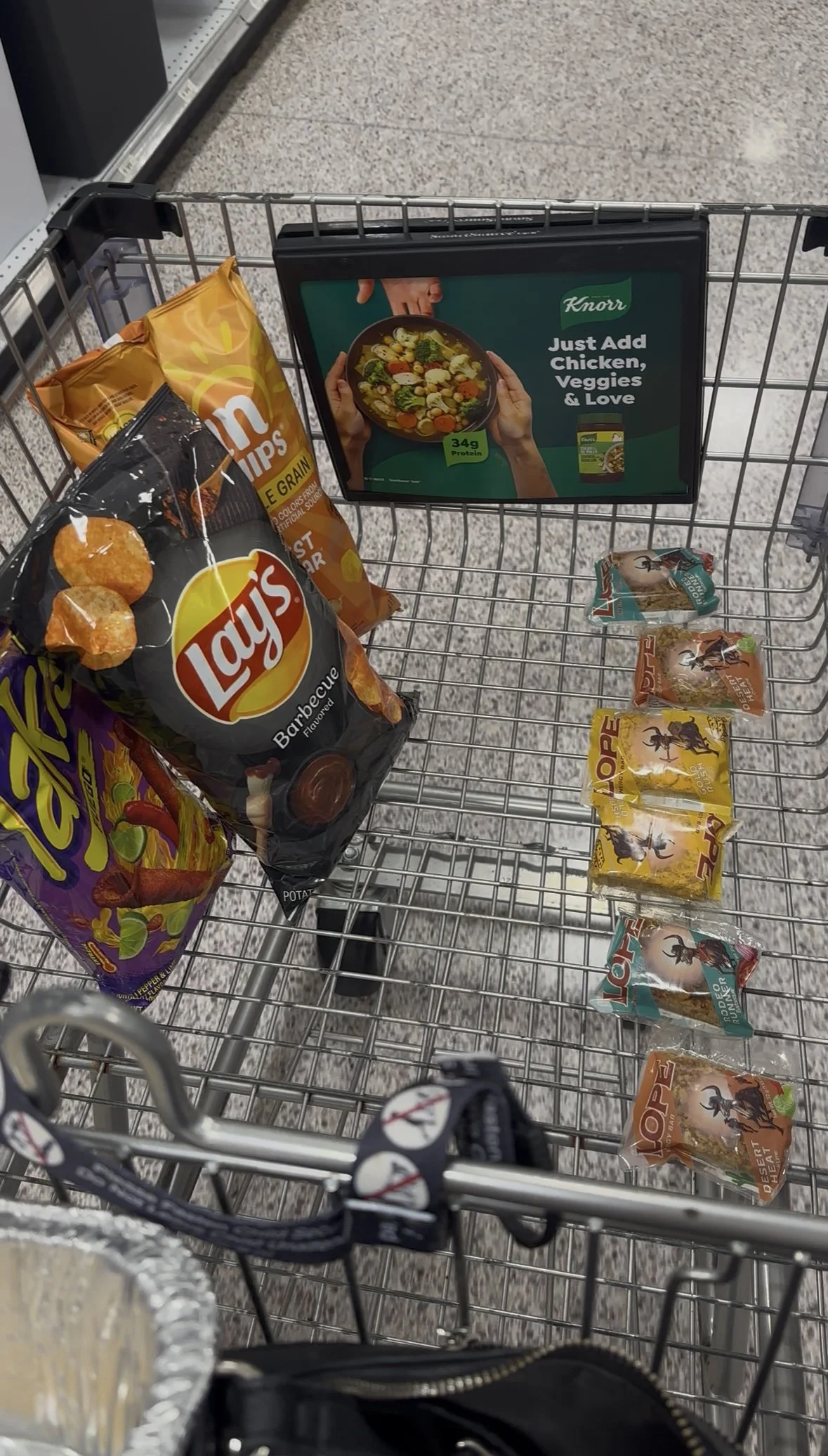
The formats I’m using:
surprising visuals that contrast sweet vs savory
trend-style videos to grab attention
clean infographics to explain why savory matters
I’m not trying to say everything.
I’m testing one truth:
Does highlighting “savory energy” spark curiosity?
Choose platforms intentionally
Instead of spreading thin across every channel, I’m focusing on the two platforms where Lope has the most natural traction:
Instagram and TikTok.
In class we learned that early-stage brands need to choose high-impact platforms instead of posting everywhere. That stuck with me. So for this test, I’m channeling all the creative energy into just two places where people expect short-form, fast, scroll-stopping content and where our target audience lives.
Set a realistic budget and a simple goal
This isn’t a conversion campaign, instead it’s a learning campaign.
The goal isn’t sales.
The goal is clarity.
With a small, controlled budget, I’m looking at:
which message gets the most people to stop
which creative type results in the strongest click-through
which platform sends traffic that stays longer on the site
Simple wins here. Complicated burns money.
Track the data that actually matters
To keep everything clean, I set up UTM links on each ad.
That way, when I check Google Analytics, I can see exactly:
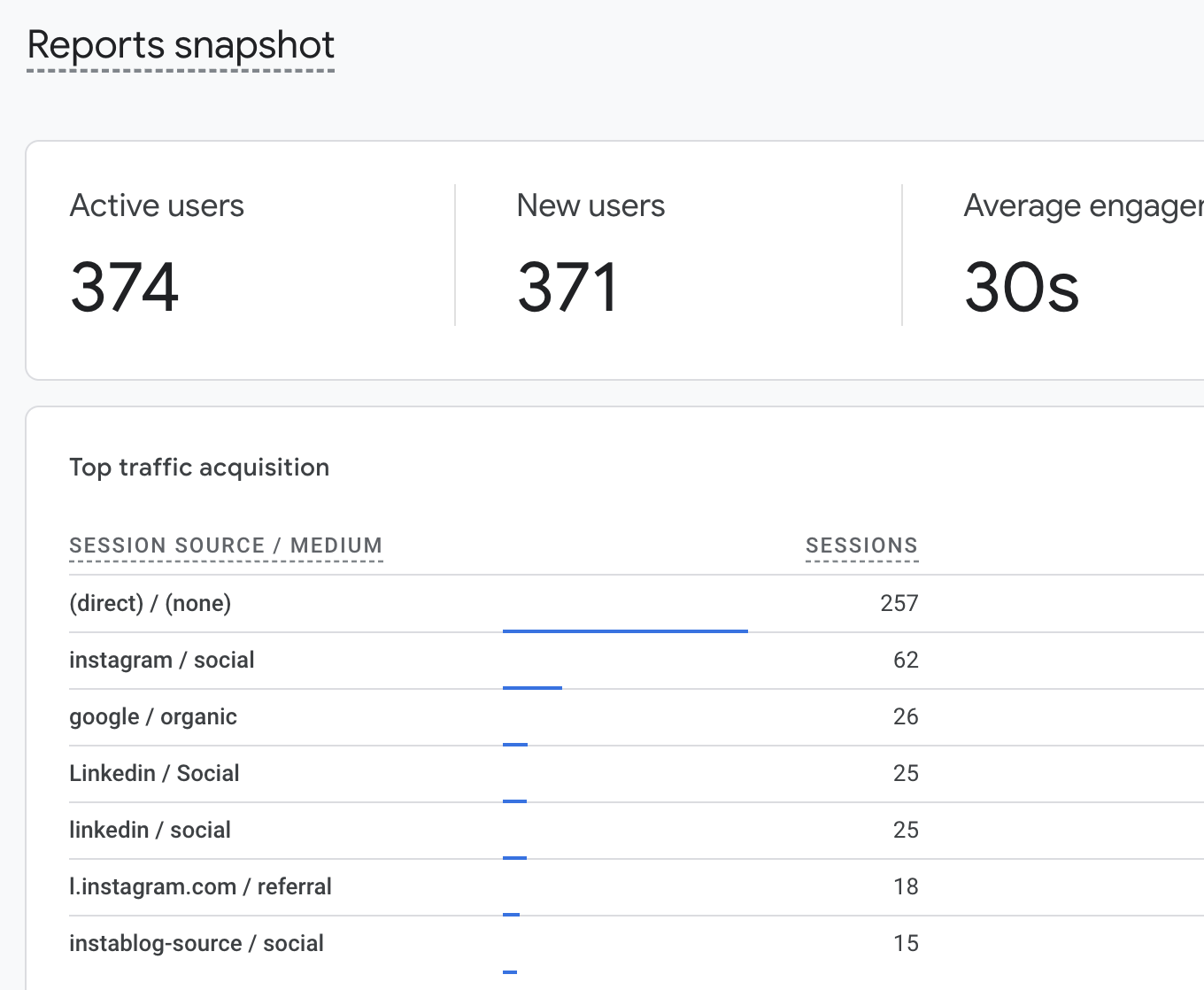
which platform sent the click
which creative drove the most traffic
which message kept people on the page
what times of day people engage most
For a tiny brand, that level of clarity matters more than big numbers.
It shows me whether the idea is landing or if the messaging needs another angle.
What I’m hoping to learn
This experiment matters because Lope lives or dies on one question:
Do people understand why savory energy is worth trying?
If they do, I’ll see it in:
higher click-through rates
more time spent on the landing page
consistent curiosity across both platforms
If they don’t, then the data will make it obvious and I’ll know what to fix.
Final thought
I used to think paid ads were about being clever or going viral.
Now I see them the way we talked about in class: they’re a tool for clarity.
This isn’t about selling out a product overnight.
It’s about learning whether our biggest differentiator, savory energy, actually connects with real people in the real world.
Once the test runs, I’ll share the results.
But for now, this is the strategy, the setup, and the thinking behind Lope’s first real step into paid acquisition.
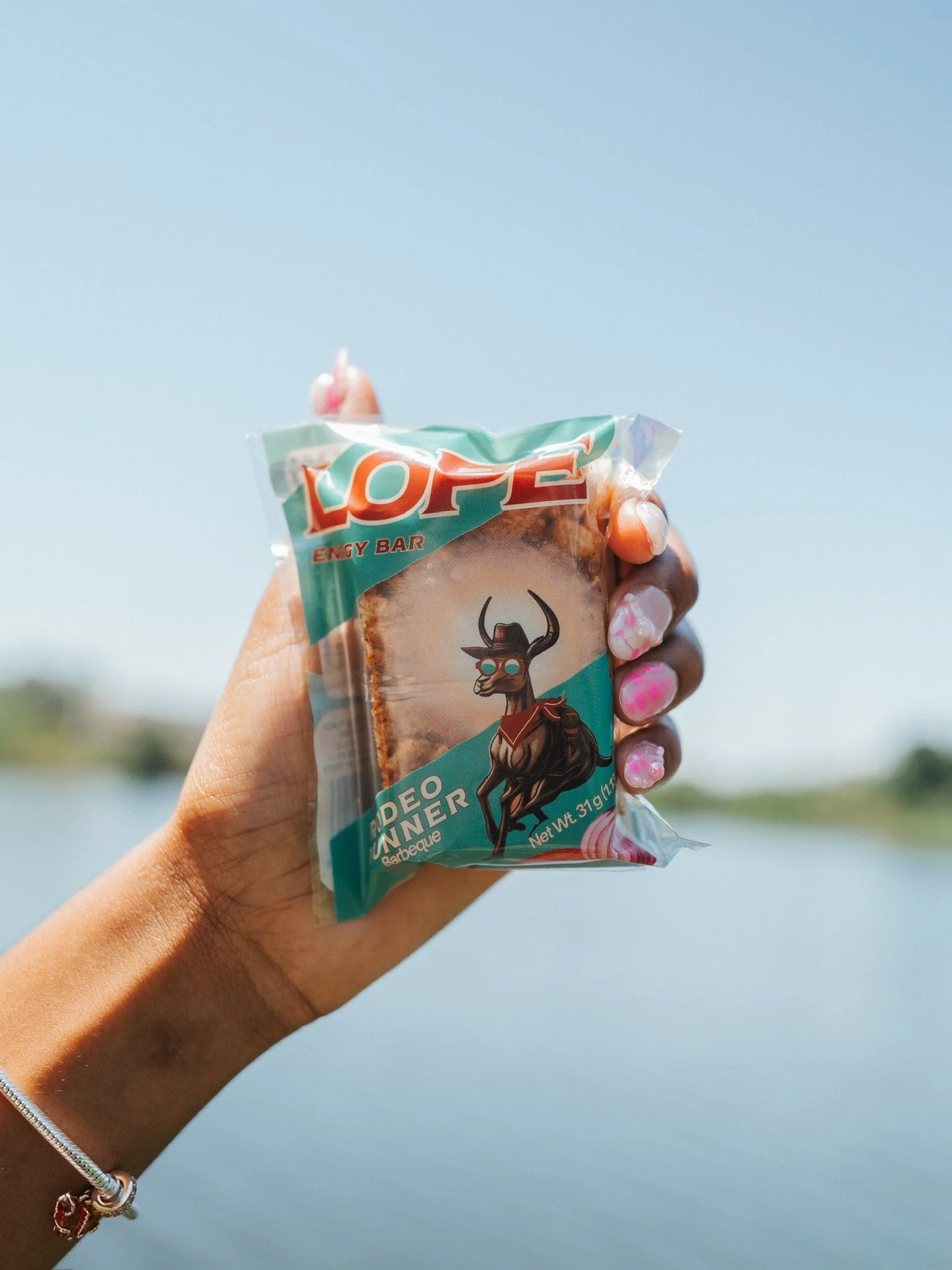
How to Keep Your Energy Up When You’re Balancing A LOT
I used to think energy came from doing mor… training harder, eating cleaner, and never resting. Now I know it’s about doing what actually works. Here’s how I rebuilt my energy, balance, and focus while juggling school, work, and Lope Bars.

When I was competing as a track and cross-country athlete, I thought low energy was something you just pushed through, not something you had to nourish and rebuild.
I fueled using whatever snacks were provided by the nutritionists (fig bars, Cheerios, Gatorade chews) and never questioned it because I thought they knew best. But after breaking my hip, burnout, and eventually an osteopenia diagnosis, I realized that pushing myself to exhaustion didn’t make me stronger. It just drained my body.
Now, between getting my MBA, running Lope Bars, and working part-time, my schedule is just as intense, but I’ve learned how to keep my energy steady without losing balance.
If you’re juggling a million things and trying to stay healthy, here’s what actually works for me:
1. Build a Routine That Works for You (Not Against You)
Your routine should add energy, not steal it.
Here’s what mine looks like now:
Monday: Lower body lift + walk + core
Tuesday: Upper body + calisthenics + core
Wednesday: Speed run
Thursday: Lower body + walk +core
Friday: Upper body + walk + core
Saturday: Long run + recovery
Sunday: Pilates
The key is variety, I don’t do the same type of stress every day. When I balance intensity with recovery, my energy stays consistent all week.
I also stopped using fitness trackers like a garmin watch or strava and instead look internally for how I am feeling.
2. Fuel Intentionally (and Don’t Overcomplicate It)
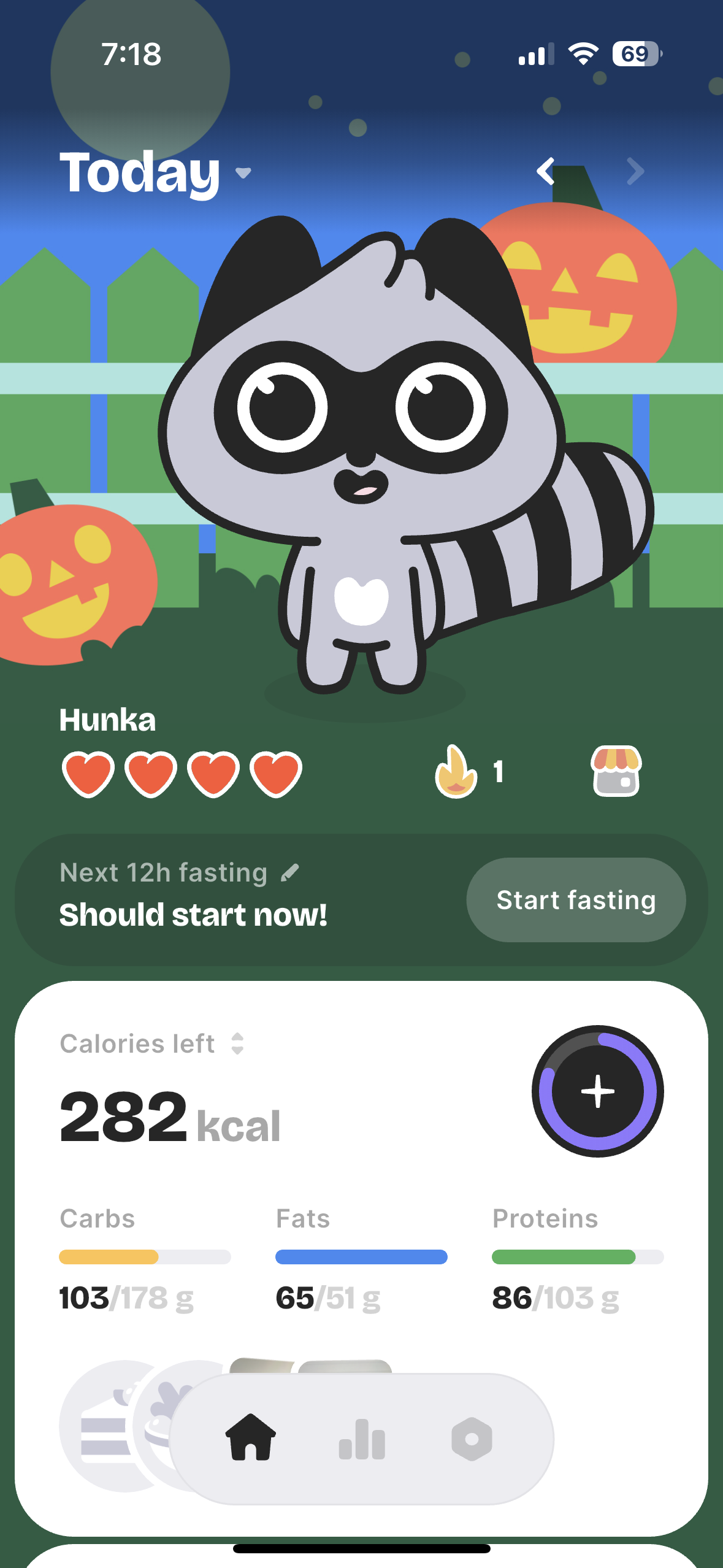
I used to eat what I thought was healthy but not specific amounts, which made me inconsistent with my energy. Now I plan my fuel the same way I plan my training. Tracking macros helped me understand what my body actually needs, enough protein, complex carbs, and fats to feel strong, not sluggish. (I use BitePal)!
I reach for Lope Bars as my pre-run or study snack because they’re savory and balanced. It’s real food that doesn’t leave me crashing two hours later.
If you’re constantly low on energy, start by tracking your food for a week. You’ll see patterns right away, too little protein, not enough water, or skipped meals. Fixing that makes a huge difference.
3. Prioritize Recovery Like It’s Part of the Plan
I learned this one the hard way. I used to skip recovery because I thought it made me “soft.” But the truth is, rest is what keeps you consistent.
Now I take recovery as seriously as workouts, walking instead of running on lifting days, going to Pilates instead of forcing miles, and letting myself rest without guilt. The result? I feel better, look healthier, and perform stronger…. in every part of my life.
4. Reframe “Energy” Altogether
Energy isn’t just what you eat or how you move. It’s how you manage stress, mindset, and purpose. Once I realized I wasn’t training for ego anymore, I was training for longevity and confidence……everything changed.
That same philosophy fuels Lope Bars. We’re not about chasing spikes of motivation instead we’re about building steady, sustainable energy that fits real life.
Takeaway
Balance isn’t something you find once, it’s something you build daily. (Rome wasn’t built in a day lol). Whether you’re training, studying, or starting something new, your energy depends on how well you take care of yourself in between.
What helps you keep your energy steady during busy weeks? Drop your favorite habit in the comments or share this post with a friend who’s balancing everything, too.
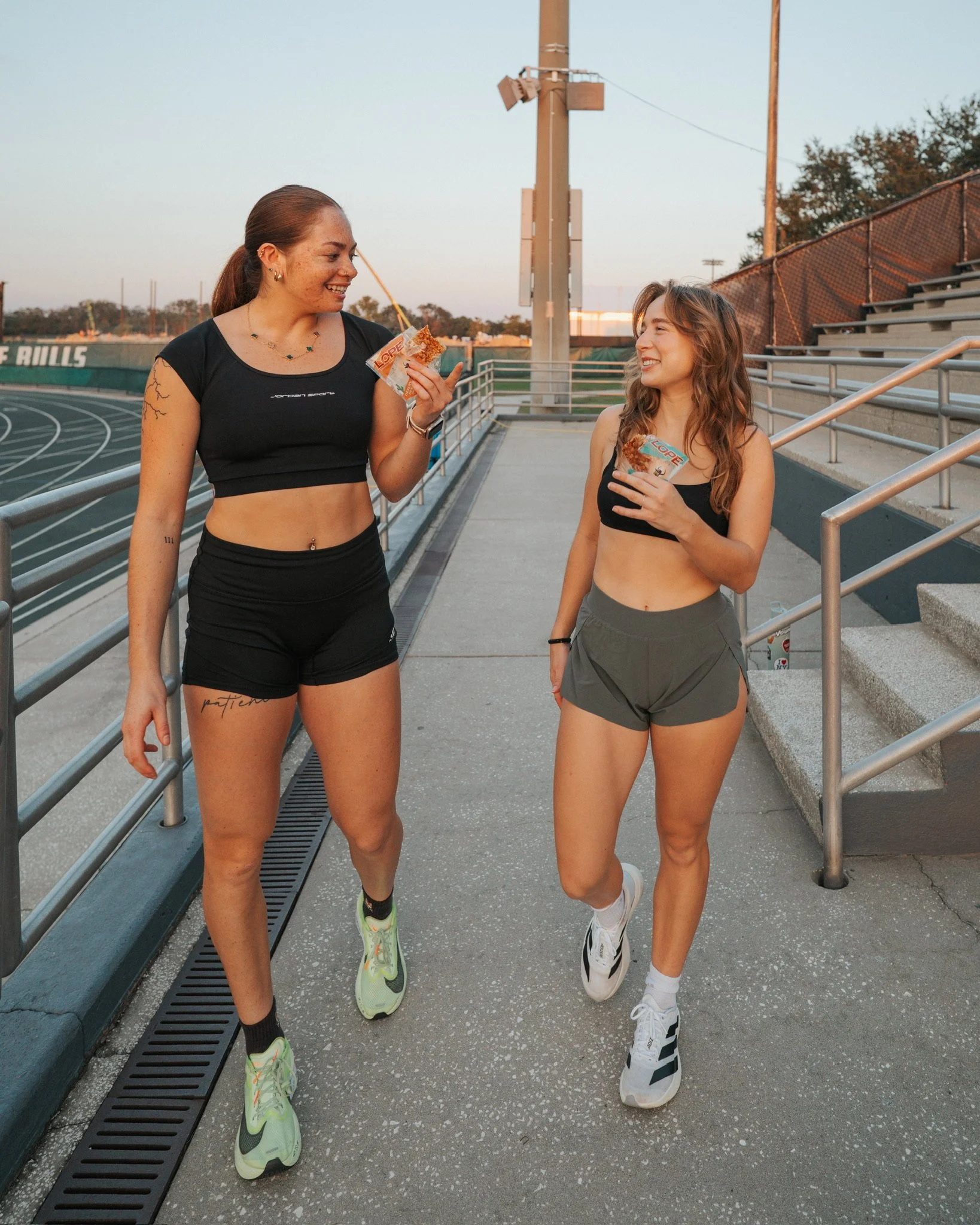
Why Savory? The Question I Get Asked Most About Lope Bars
Why Savory? The Question I Get Asked Most About Lope Bars
Avoid nausea and improve performance with Lope Savory Energy bars

The most common question I get is: “Why savory?”
Most energy bars are loaded with sugar, artificial sweeteners, or sticky syrups. But as a former D1 track and cross country runner who constantly struggled with nausea and fatigue after eating energy bars, I knew there had to be a better option. That’s why I created Lope Bars… to solve that exact problem.
Savory, Not Sweet
This is the big one. We’re one of the only (if not the only) energy bars offering truly savory flavors. No more forcing down chalky “chocolate peanut butter” bars when your stomach’s already turning. Our bars taste like real food and are seasoned with real spices, and made with whole, recognizable ingredients.

2. Designed to Prevent Nausea
Every ingredient is chosen for its digestibility. That means low-glycemic sweeteners like honey, zero sugar alcohols, and nothing that will leave you bloated or crashing. If you’ve ever felt nauseous before/during a workout, on a hike, or just from a “healthy” bar in general … this was made with you in mind.
3. Functional Adaptogens
We include three functional adaptogens (maca, ashwagandha, and reishi) to help you feel grounded, focused, and energized. Our goal? Helping you hit your flow state and stay there.
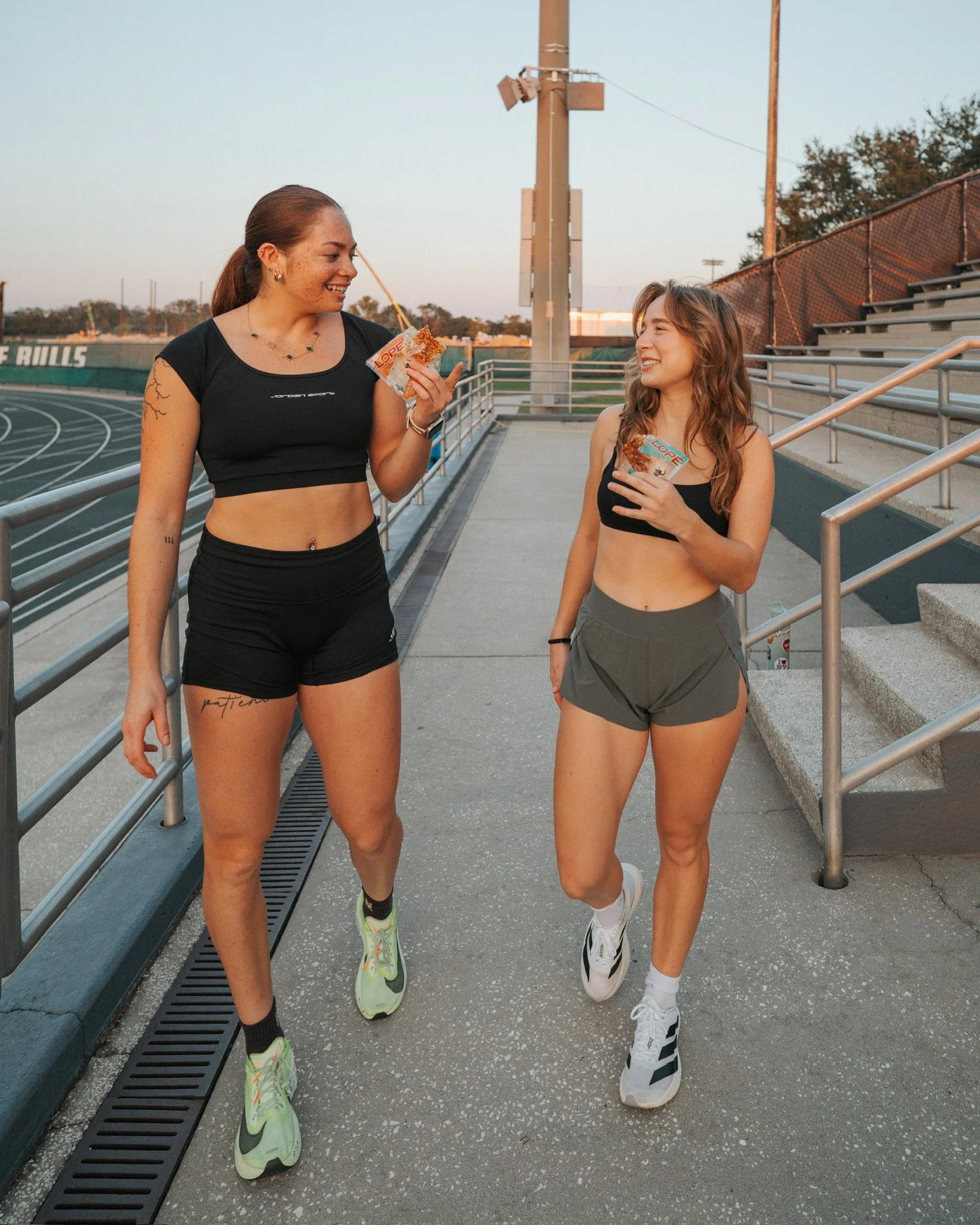
4. Small-Batch & Female-Founded
Lope isn’t a mass-produced brand with a corporate budget. It’s just me…making bars out of a commercial kitchen and handling every detail from production to packaging to shipping. Each bar represents hundreds of customer conversations and countless hours of hard work.
5. We’re Building Something Different
This isn’t just about a snack. It’s about feeling like you’re exactly where you need to be….even in your most stressful moments. Keep supporting us and we will continue to innovate towards products like savory protein bars and other truly new and helpful products.
Our Ingredient List
All Lope Bars are made with thoughtfully selected ingredients designed to support performance, reduce nausea, and promote overall wellness. Here’s a breakdown of what goes into every bar:
Core Ingredients (Found in All Flavors)
Click on each ingredient to learn more
A gluten-free, easily digestible carbohydrate source that provides sustained energy and contains antioxidants.
A low-glycemic sweetener that contains phenolic compounds and flavonoids…powerful antioxidants that reduce oxidative stress and inflammation. Honey also has antibacterial properties that support gut health and ease indigestion.
Rich in glycine and proline, which are key for collagen production. Gelatin may improve joint health, support digestion by healing the gut lining, and help regulate blood sugar levels.
Packed with medium-chain triglycerides (MCTs) that promote gut health and reduce inflammation. Ghee also contains omega-3s for brain support and vitamin K for better calcium absorption and bone strength.
An essential mineral that supports cardiovascular, nerve, muscle, and bone health…especially important for athletes.
These adaptogens help the body better manage stress by balancing the hypothalamic-pituitary-adrenal (HPA) axis.
A natural digestive aid that stimulates enzyme production and reduces bloating.
Nutrient-dense seeds rich in fiber, omega-3s, protein, calcium, magnesium, and iron.
Flavor-Specific Ingredients

🧀 Cheddar
Cheddar Cheese Powder
Nutritional Yeast: High in B vitamins (B1, B2, B3, B6, B12)
Potato Starch
Mustard Powder: Packed with minerals like calcium, magnesium, potassium, and zinc
🔥 BBQ
Smoked Paprika, Garlic Powder, Onion Powder
Blackstrap Molasses Powder: A rich source of iron…especially important for female endurance athletes
Tomato Powder
Dried Apple Cider Vinegar: Supports blood sugar regulation and digestion
🌶 Chili Lime
Lime Powder: Acts as a natural electrolyte and aids digestion
Cumin, Chili Powder, Coriander
Tajin: Adds flavor and electrolytes
Have more questions?
Drop them in the comments or shoot me a message…. I’d love to include more in a future FAQ post.
And if you have ever felt sick from sweet snacks, share this with a friend who might need to try savory.

What I Learned from Tabling at 20+ Events as a Startup Founder
What I Learned from Tabling at 20+ Events as a Startup Founder: Lope savory energy bars startup in tampa bay and st petersburg
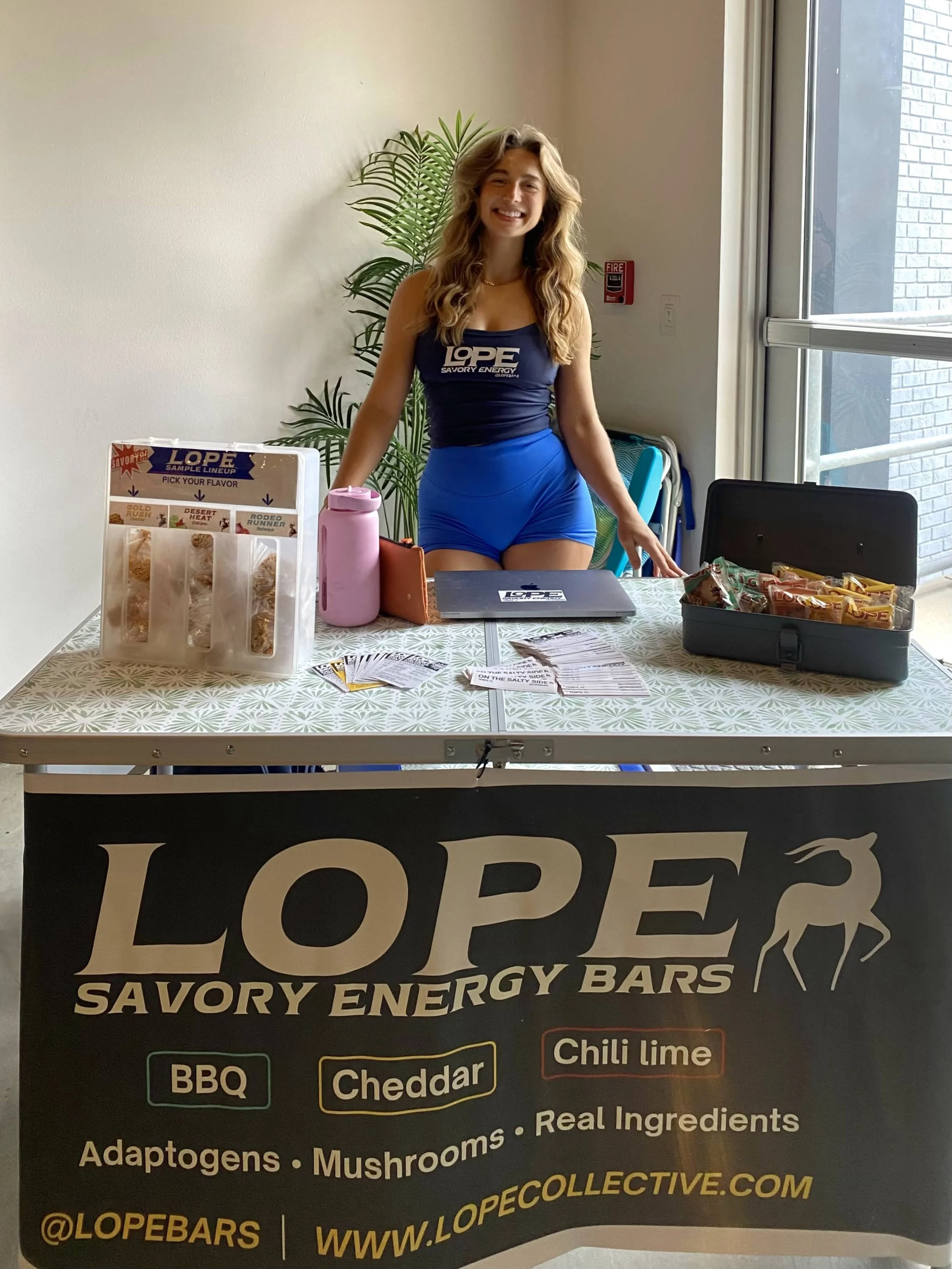
When I first launched Lope Bars (the first savory energy bar designed to prevent nausea) I didn’t think much about the sales strategy. A friend told me he made $500 at farmers markets selling sweatshirts, so I figured I might as well give it a shot. At the very least, I could meet someone important.
Spoiler alert: It wasn’t that easy.
This summer, I tabled at over 20 pop-up events and farmers markets across Florida with a tiny budget and a whole lot of trial and error. I forgot chairs, borrowed tables, bought a tent off Facebook Marketplace …..and didn’t really make any profit.
But I did learn what it actually takes to represent your brand in person and connect with customers face to face.
Here are my biggest takeaways:
1. People Buy From People… But Only If You Catch Their Attention
Booth setup matters….A LOT. The difference between being overlooked and drawing a crowd often came down to presentation: signage, samples, and energy.
A couple selling candles next to me ( https://lunabloomcandles.com/) said their sales increased tremendously when they improved their booth display. I only had three flavors, and even after adding stickers and a sample box, my table still lacked that wow factor to really pull people in.
2. Niche Products Require Education
Explaining why a savory energy bar exists takes a second. I had to constantly refine my pitch. Eventually, I landed on a one-liner that clicked:
“We’re the first savory energy bar, made for people who get nauseous from sweet snacks.”
That landed, but only after people tried the bar did they really get it.
3. Sales Don’t Always Match Effort
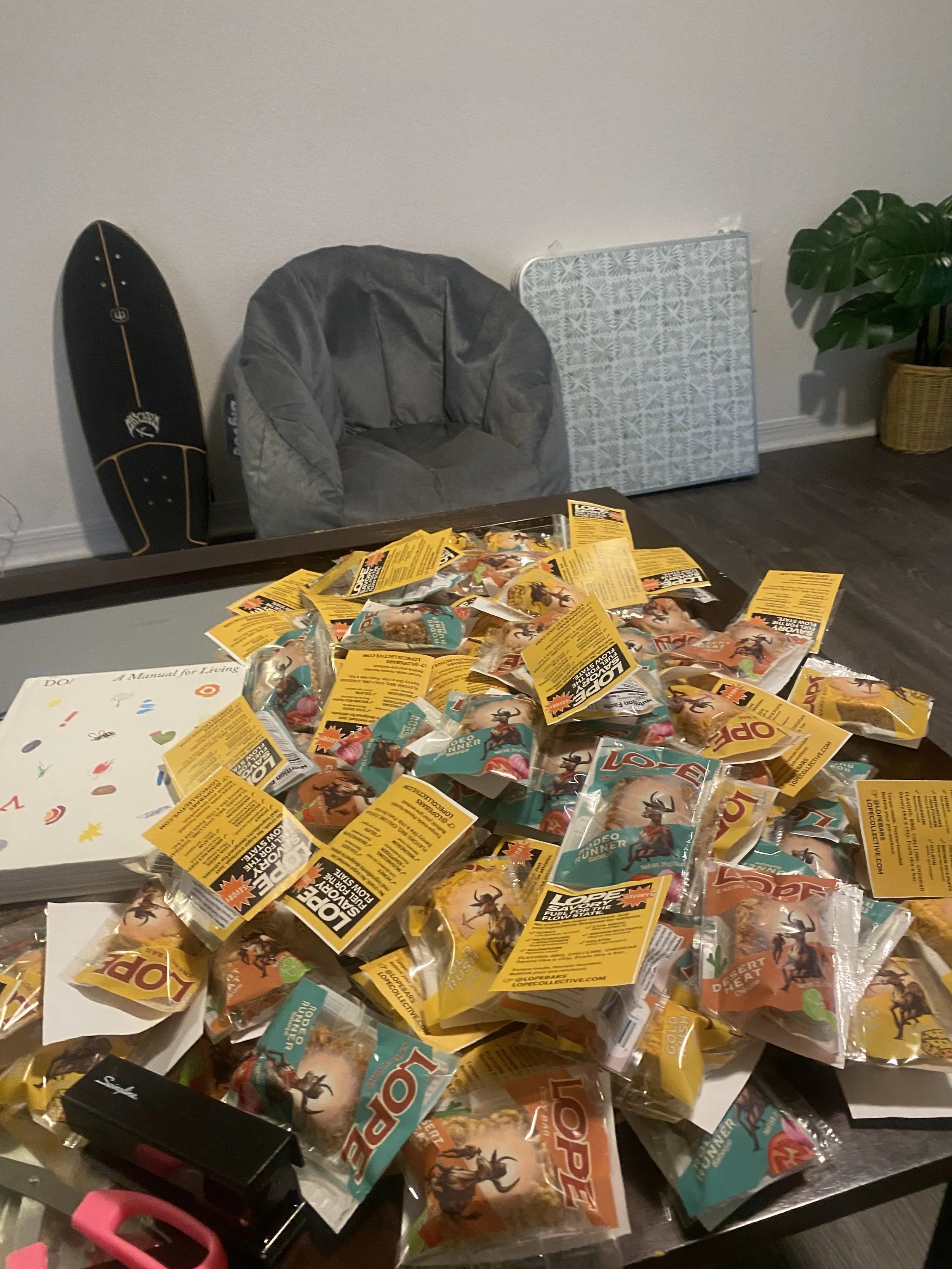
Some of the best-looking events had the worst turnout. I once prepped over 100 samples… and made just 4 sales.
Sometimes we broke even. Sometimes we didn’t. It was hard, but it taught me to detach results from self-worth and focus on learning.
4. Looking Professional Can Backfire at Farmers Markets

People often assumed we were a big corporate brand. Whether it was our banner, packaging, or setup, they thought I was an intern working for a company… and turned away, preferring handmade, local products
If you’re going to do a farmers market, it may work better if your brand looks more homemade or early-stage.
So… Was It Worth It?
Honestly, not really.
Here’s why:
Supplies are expensive. A compliant tent alone was $60 on Facebook Marketplace (normally $375 and mine had holes). Then you need pole weights, chairs, a table, and your full display setup.
Setup and breakdown take time, and often you’re sitting there for hours.
Entry fees for markets range from $120–$500 or require large amounts of free samples.
The audience is usually looking for produce and homemade goods, not innovative startup products.
While it wasn’t profitable, it gave me something more valuable, real feedback, firsthand insights, and grit. If you’re a startup founder thinking about pop-up events or farmers markets, I hope this helps you avoid some of the lessons I had to learn the hard way.
Ybor farmers market (a great low cost farmers market): https://ybormarket.com/